When I started exploring digital marketing, I quickly realised that knowing traditional SEO, social media, and advertising was no longer enough. Artificial intelligence is changing how marketers research audiences, create content, analyse data, automate repetitive tasks, and optimise campaigns. I believe learning practical AI skills alongside core marketing fundamentals is essential for anyone preparing for a modern marketing career.
AI does not replace marketing knowledge. Instead, it can help me work faster, identify patterns, generate ideas, and make better-informed decisions when used correctly. Current discussions around AI search also show why marketers increasingly need to understand SEO, AEO, and GEO together rather than treating them as completely separate disciplines.
AI Prompt Writing
One of the first skills I would learn is prompt writing. An AI tool can produce very different results depending on the instructions I provide.
I would practise creating prompts that include:
- Target audience
- Marketing objective
- Brand tone
- Search intent
- Relevant keywords
- Content format
- Supporting information
- Desired outcome
Instead of simply asking AI to “write a blog,” I can provide context, explain the audience, define the purpose, and request a specific structure. This makes AI much more useful for practical marketing work.
AI-Assisted Content Creation
Content creation is another important AI skill. I can use AI to brainstorm topics, develop outlines, generate content ideas, create social media concepts, and repurpose existing material.
However, I would never rely on AI output without reviewing it. Human editing, fact-checking, originality, brand knowledge, and experience remain important. AI should assist my creative process rather than replace my judgement.
A strong Digital Marketing Institute can help students understand how to combine AI tools with content strategy instead of simply teaching them how to generate text.
AI-Powered SEO, AEO, and GEO
Search is becoming increasingly conversational, with users finding information through traditional search engines as well as AI-powered experiences. This makes SEO fundamentals increasingly relevant to AI-focused search strategies.
I would therefore learn how to:
- Research search intent using AI
- Build topic clusters
- Create question-focused content
- Optimise headings and answers
- Strengthen internal linking
- Analyse competitors
- Identify content gaps
- Create useful, well-structured information
AEO, or Answer Engine Optimization, focuses on making information clear and answer-friendly, while GEO, or Generative Engine Optimization, generally refers to improving visibility within generative AI experiences. The terminology is still developing, so I would focus on practical principles rather than chasing every new acronym.
AI for Data Analysis
I would also develop the ability to use AI when analysing marketing data. Instead of manually reviewing every report, AI can help me identify patterns, summarise datasets, generate questions, and highlight areas that deserve further investigation.
For example, I can use AI to help interpret website traffic, campaign performance, audience behaviour, conversion data, and content performance. The important skill is knowing how to question the data and verify AI-generated conclusions.
Marketing Automation
Automation is another valuable AI skill. Digital marketers often spend considerable time performing repetitive tasks such as reporting, lead management, content scheduling, email workflows, and campaign monitoring.
Learning how automation platforms work can help me connect different marketing activities and reduce repetitive manual work. I would focus on understanding the workflow first and the tool second because software platforms can change over time.
AI Ethics and Fact-Checking
Perhaps the most overlooked AI skill is responsible usage. AI can produce inaccurate information, outdated claims, biased outputs, or content that sounds convincing without being correct.
That means I need to learn how to fact-check information, protect confidential data, review AI-generated content, and maintain originality. These skills become especially important when creating content intended for search engines and AI-powered discovery.
How Can I Build These Skills?
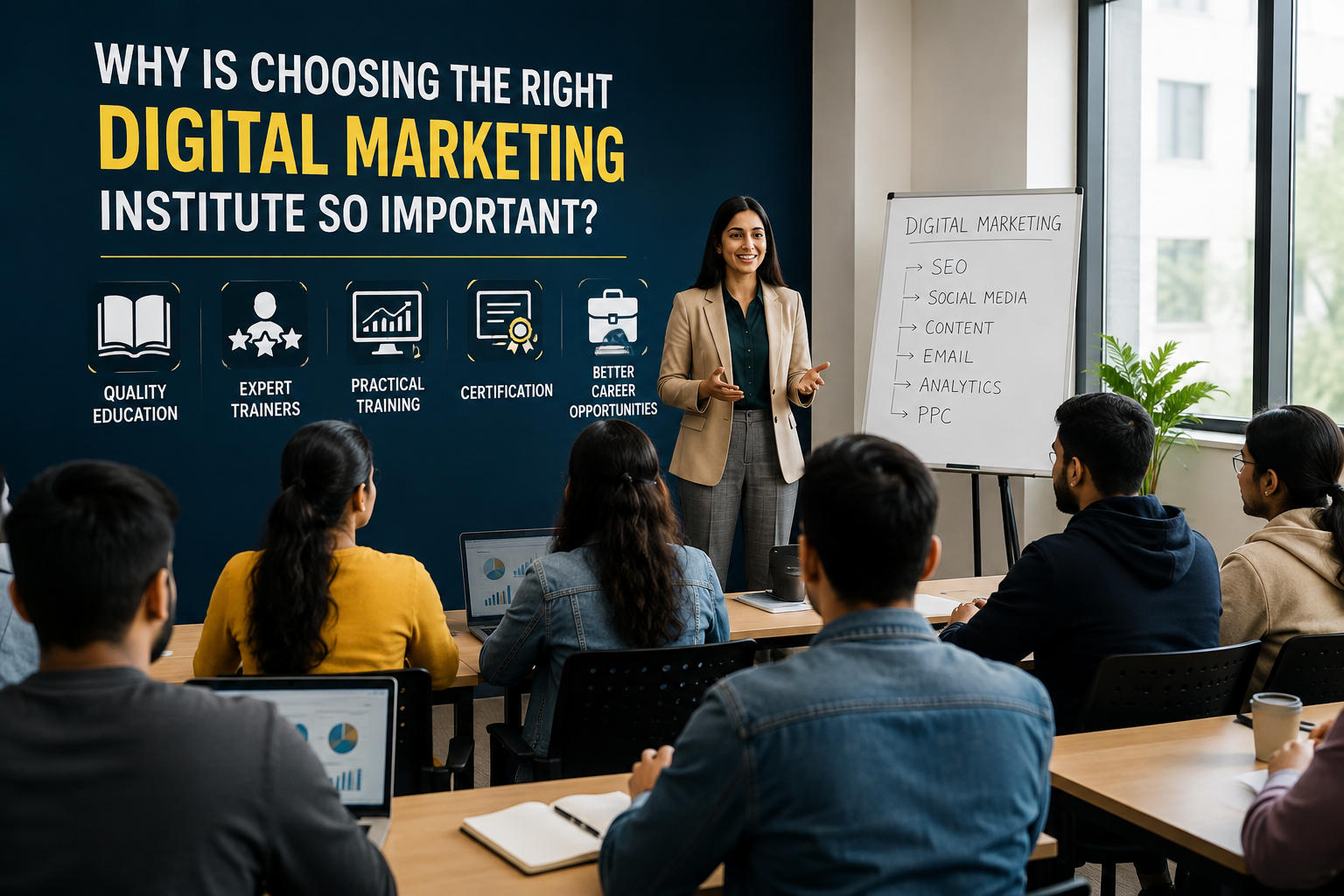
I would look for a Digital Marketing Institute that combines AI with practical SEO, content marketing, analytics, advertising, social media, and automation. More importantly, I would practise these skills through real projects instead of learning only through theory.
If you want to explore practical digital marketing training, you can learn more through this AI-focused digital marketing learning resource.
Frequently Asked Questions
Is AI replacing digital marketers?
No. AI can automate and accelerate many marketing activities, but marketers still need strategy, creativity, communication, critical thinking, and decision-making skills.
Should I learn SEO before AEO and GEO?
Learning SEO fundamentals first can provide a useful foundation because AEO and GEO overlap with areas such as content quality, relevance, structure, and discoverability.
Do I need coding skills to learn AI marketing?
Not necessarily. Basic technical knowledge can be helpful, but many AI marketing tasks involve prompting, research, content, analytics, automation, and strategy rather than advanced programming.
Which AI skill should I learn first?
I would start with prompt writing and AI-assisted research, then progress into content, SEO/AEO/GEO, analytics, automation, and responsible AI usage.
Take the Next Step
AI is becoming an important part of modern digital marketing, but tools alone do not create a successful marketer. I would focus on developing a combination of AI knowledge, marketing fundamentals, analytical thinking, and hands-on experience.
If you are ready to develop practical skills for the changing digital landscape, connect with a digital marketing institute team and explore the learning options available to you.