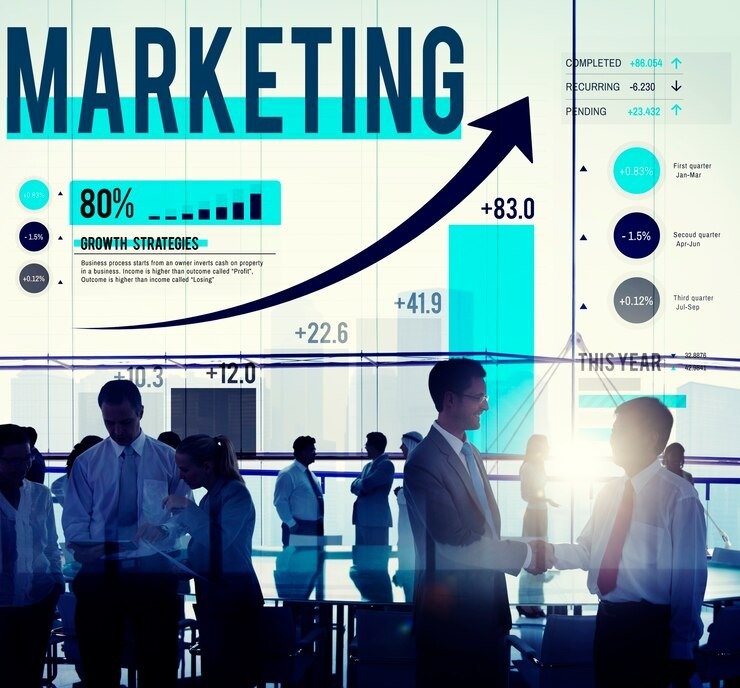
Digital marketing has evolved from broad, assumption-based campaigns to highly measurable, performance-focused strategies. Today, every interaction—clicks, impressions, shares, and purchases—creates valuable data. Data analytics transforms this information into actionable insights, allowing businesses to make informed marketing decisions rather than relying on guesswork.
By analyzing user behavior and campaign performance, marketers can identify which channels deliver the highest returns and which strategies require optimization. This data-driven approach ensures smarter budget allocation, improved targeting, and measurable business impact.
Understanding Customer Behavior in Depth
One of the most powerful advantages of data analytics is its ability to provide deep insights into customer behavior. Marketers can track how users discover a website, which pages they visit, how long they stay, and what motivates them to convert.
These insights enable audience segmentation based on demographics, interests, online activity, and purchase history. Instead of sending generic messages, brands can deliver personalized experiences that resonate with specific groups. This level of relevance significantly improves engagement, trust, and long-term customer loyalty.
For those seeking practical exposure to analytics tools and customer behavior analysis, industry-focused digital marketing training at JDM Institute equips learners with real-world skills aligned with modern marketing demands.
Improving Campaign Performance and ROI
Data analytics ensures that every campaign can be measured, analyzed, and optimized. Key performance indicators such as click-through rates, cost per click, conversion rates, and customer acquisition costs provide clear performance benchmarks.
With real-time tracking, marketers can quickly identify underperforming ads or keywords and make necessary adjustments. Whether refining ad copy, adjusting targeting, or reallocating budgets, data-driven decisions lead to higher returns on investment (ROI).
Continuous optimization ensures that marketing strategies evolve based on evidence, not assumptions.
Precision Targeting for Better Conversions
Reaching the right audience is essential for maximizing marketing efficiency. Data analytics allows businesses to narrow their focus to users most likely to convert.
By studying audience insights, marketers can refine demographics, interests, and behavioral segments. Paid campaigns become more effective, reducing wasted spend and increasing engagement rates. This precision targeting not only improves conversion rates but also enhances overall campaign efficiency.
Personalization at Scale
Modern consumers expect personalized interactions. Data analytics enables businesses to deliver customized experiences across multiple channels.
From personalized email recommendations to dynamic website content and retargeting ads, analytics supports tailored communication strategies. This creates a stronger emotional connection with customers and increases the likelihood of repeat purchases.
Personalization, powered by data, turns casual visitors into loyal brand advocates.
Strengthening SEO and Content Strategy
Search engine optimization (SEO) relies heavily on data analysis. Keyword research, user engagement metrics, and search trends provide valuable direction for content creation.
By analyzing search performance and user intent, marketers can develop content that aligns with audience needs. Data also highlights which pages generate traffic and which require improvement, enabling ongoing SEO optimization.
Professionals looking to build expertise in SEO analytics can benefit from advanced analytics and SEO certification programs by JDM Institute, which emphasize practical application and measurable results.
Gaining a Competitive Advantage
In a crowded digital marketplace, data analytics provides a strategic edge. Businesses can monitor competitor trends, identify gaps in the market, and anticipate consumer behavior shifts.
This proactive approach enables brands to adapt quickly to algorithm updates, industry trends, and seasonal changes. Companies that leverage analytics stay ahead of competitors by responding to data-driven insights rather than reacting too late.
Enabling Real-Time Strategy Adjustments
Digital marketing platforms change constantly. Algorithms update, advertising costs fluctuate, and consumer preferences shift rapidly. Data analytics allows marketers to track performance in real time and respond immediately.
If a campaign underperforms, it can be optimized or paused instantly. If a strategy exceeds expectations, it can be scaled for greater impact. This adaptability ensures marketing efforts remain relevant and efficient.
Connecting Marketing to Business Growth
Data analytics bridges the gap between marketing activities and overall business performance. Metrics such as revenue per campaign, customer lifetime value, and cost per acquisition provide measurable evidence of marketing effectiveness.
When decision-makers understand how campaigns directly impact revenue, they can make smarter long-term investments. Data-driven marketing supports sustainable growth by identifying scalable opportunities and eliminating inefficiencies.
Building a Culture of Continuous Optimization
Analytics fosters a mindset of experimentation and improvement. Through A/B testing and performance comparisons, marketers can determine which headlines, visuals, landing pages, and calls-to-action generate the best results.
Small incremental improvements accumulate over time, leading to significant growth. Organizations that prioritize analytics build a culture of learning, adaptability, and measurable success.
Conclusion
Data analytics is the foundation of modern digital marketing strategy. It enhances audience understanding, improves targeting accuracy, strengthens personalization, and maximizes ROI. Businesses that leverage analytics outperform competitors by making informed, evidence-based decisions.
To develop practical skills in data-driven marketing and analytics, explore our Contact Us page for digital marketing course inquiries and take the first step toward building expertise that aligns with today’s industry demands.