In today’s fast-changing business environment, I have noticed that digital marketing is becoming an attractive career choice for professionals from different industries. Businesses increasingly depend on online platforms to reach customers, build brand awareness, generate leads, and increase sales. This shift has created opportunities for people who want to develop creative, analytical, and technology-driven skills.
I believe one of the biggest reasons behind this career shift is the flexibility and variety digital marketing offers. Whether someone has a background in sales, communication, business, or technology, digital marketing provides opportunities to learn new skills and explore different career paths. A well-structured learning program can also help beginners and experienced professionals understand how modern marketing works.
Growing Demand for Digital Marketing Skills
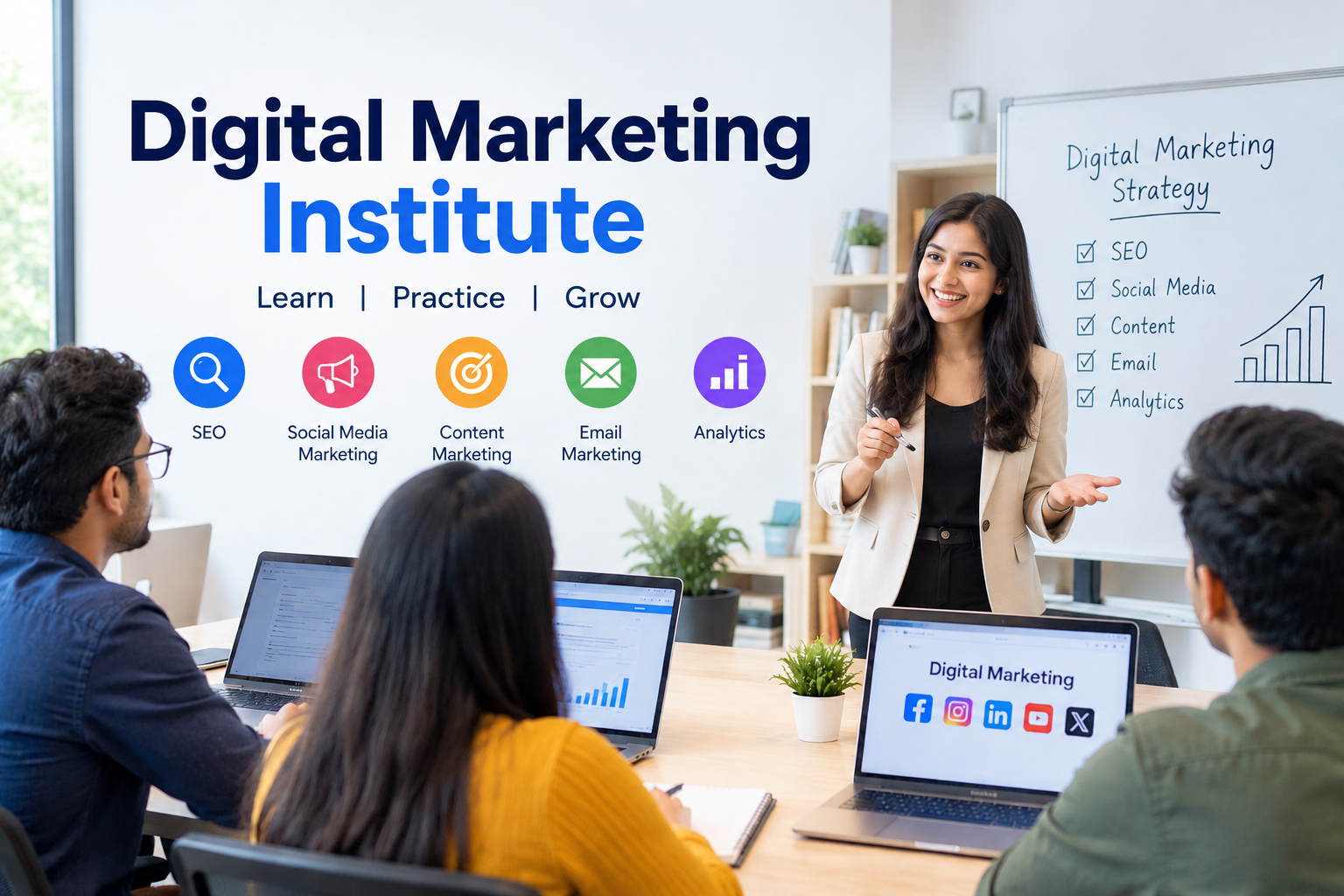
One major reason professionals are choosing digital marketing careers is the growing importance of online visibility. Businesses need skilled people who understand search engine optimization (SEO), social media marketing, content creation, paid advertising, and email marketing.
From my perspective, this demand makes digital marketing a valuable field for professionals seeking new opportunities. Companies need marketers who can connect with their target audiences, understand customer behavior, and measure campaign performance.
Enrolling in a Digital Marketing Institute can help learners build a strong foundation in these areas. Structured training introduces essential marketing concepts and helps learners understand how to apply them to real business challenges.
Diverse Career Opportunities Across Industries
I find the variety of career options particularly appealing. Digital marketing is not limited to one industry or job role. Professionals can explore opportunities as SEO specialists, social media managers, content marketers, performance marketers, marketing analysts, and digital strategists.
These roles allow individuals to choose a career path that matches their interests and strengths. Someone who enjoys writing might prefer content marketing, while a person who likes working with numbers may find analytics or paid advertising more suitable.
Digital marketing skills are also useful across sectors such as education, healthcare, retail, hospitality, technology, and e-commerce. This flexibility allows professionals to apply their knowledge in different business environments and explore long-term career growth.
Opportunities to Work Independently
Another reason I see professionals moving into digital marketing is the opportunity to work independently. Unlike careers that require a fixed workplace, many digital marketing tasks can be completed remotely with the right tools and internet access.
Professionals can explore freelance projects, work with agencies, support small businesses, or build their own consulting services. They may also develop personal brands and attract clients through their websites and social media profiles.
However, independent work requires more than technical knowledge. I believe communication, time management, client relationships, and the ability to demonstrate measurable results are equally important. Practical training and real-world projects can help aspiring marketers develop these skills.
The Influence of AI on Digital Marketing Careers
Artificial intelligence is changing how marketing professionals research audiences, generate ideas, analyze data, personalize campaigns, and improve productivity. Rather than removing the need for marketers entirely, AI is changing the skills employers expect from them.
I believe professionals who learn to use AI responsibly can improve their efficiency while focusing on strategy, creativity, and decision-making. Understanding AI-powered tools alongside SEO, content marketing, analytics, and customer behavior can help marketers adapt to changing industry requirements.
When evaluating a Digital Marketing Institute, I recommend checking whether its curriculum includes AI-assisted marketing, automation, data analysis, and emerging search practices. These subjects can help learners prepare for evolving workplace expectations.
Practical Learning and Continuous Career Growth
I believe practical experience is essential for building confidence in digital marketing. Reading about SEO or advertising is useful, but applying that knowledge to campaigns, keyword research, content plans, and performance reports makes learning more meaningful.
A reliable training program should offer practical assignments, industry-relevant tools, case studies, and opportunities to work on projects. These experiences help learners understand how marketing decisions influence business results.
Professionals should also commit to continuous learning because digital platforms, consumer expectations, and marketing technologies change regularly. Exploring industry updates and testing new strategies can help them remain competitive.
For learners comparing different options, explore digital marketing courses and practical career-focused training at JDM Institute to understand the learning opportunities available.
A Career That Combines Creativity and Analytics
What makes digital marketing especially interesting to me is the balance between creativity and measurable performance. Marketers create engaging campaigns, develop compelling content, and communicate brand messages while using data to evaluate results.
This combination appeals to professionals who enjoy solving problems and experimenting with new ideas. They can measure website traffic, engagement, conversions, and return on advertising spend to understand which strategies work best.
By combining creative thinking with analytical skills, digital marketers can make informed decisions and contribute directly to business growth.
Frequently Asked Questions
Why are professionals choosing digital marketing careers?
Professionals are attracted to digital marketing because of its diverse job opportunities, growing business relevance, flexible working options, and opportunities to combine creativity with data analysis.
Can I switch to digital marketing from another career?
Yes. People from sales, business, communication, technology, and other backgrounds can transition into digital marketing by learning relevant skills and gaining practical experience.
Do I need technical knowledge to start a digital marketing career?
No advanced technical background is necessary for many entry-level roles. However, learning analytics, SEO tools, advertising platforms, and AI-assisted workflows can improve your capabilities.
How can I prepare for a digital marketing career?
Start by learning SEO, content marketing, social media marketing, paid advertising, and analytics. Build practical projects, track your results, and develop a portfolio that demonstrates your skills.
How do I choose the right digital marketing training program?
Look for an updated curriculum, practical projects, experienced trainers, relevant tools, and career guidance.
Conclusion:
I believe digital marketing offers an exciting opportunity for professionals who want to develop relevant skills, explore different career paths, and adapt to technological change. Success requires curiosity, practical experience, creativity, and a willingness to keep learning.
A Digital Marketing Institute can provide structured learning and help aspiring marketers understand industry tools, strategies, and best practices. However, your progress will also depend on consistent practice and your ability to apply what you learn.
Ready to Explore Digital Marketing Opportunities?
Take the first step by identifying your interests, learning essential marketing skills, and gaining hands-on experience. Explore JDM Institute’s digital marketing learning opportunities and contact the team to discuss your learning goals. Start building the knowledge and confidence you need to pursue your next career opportunity.