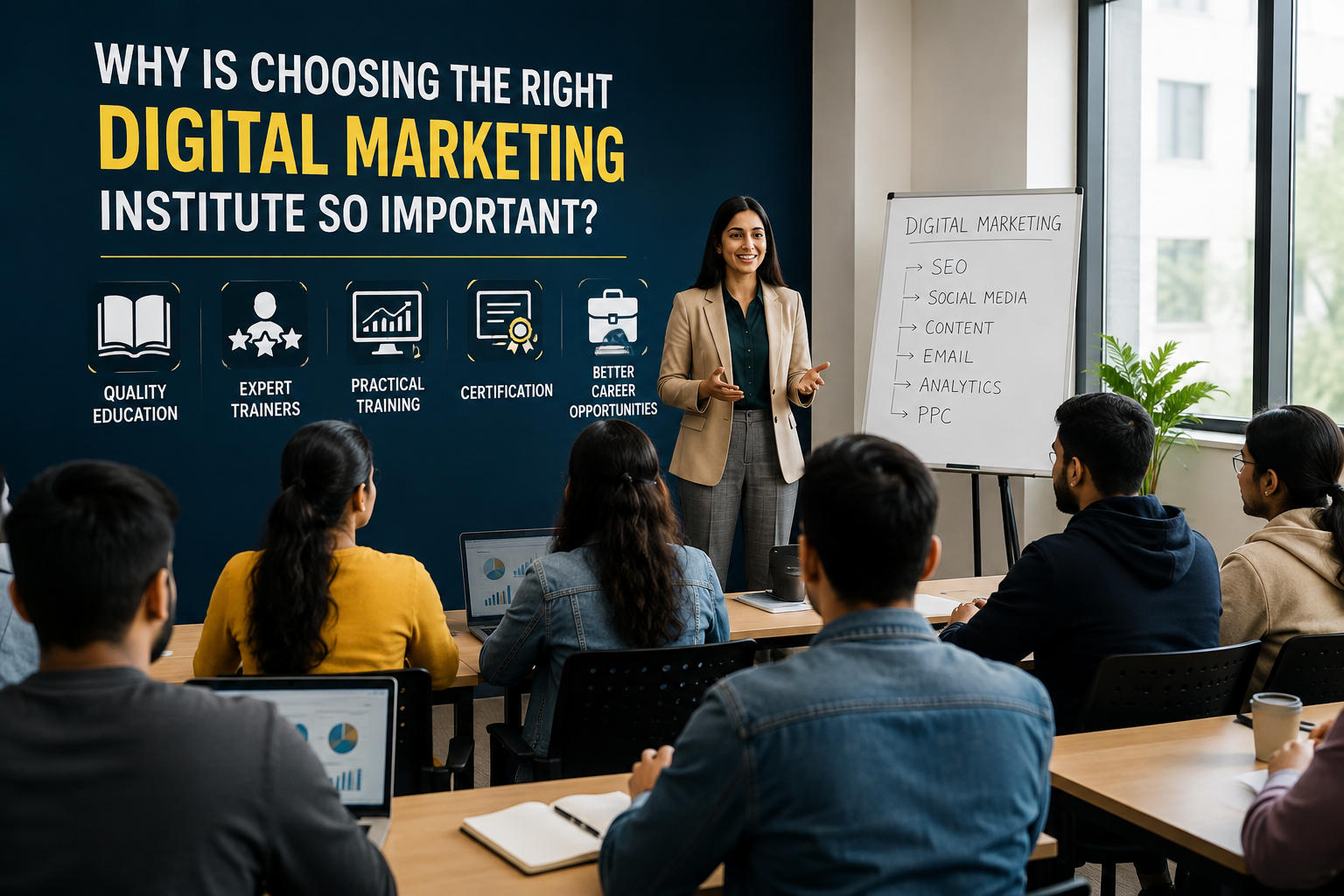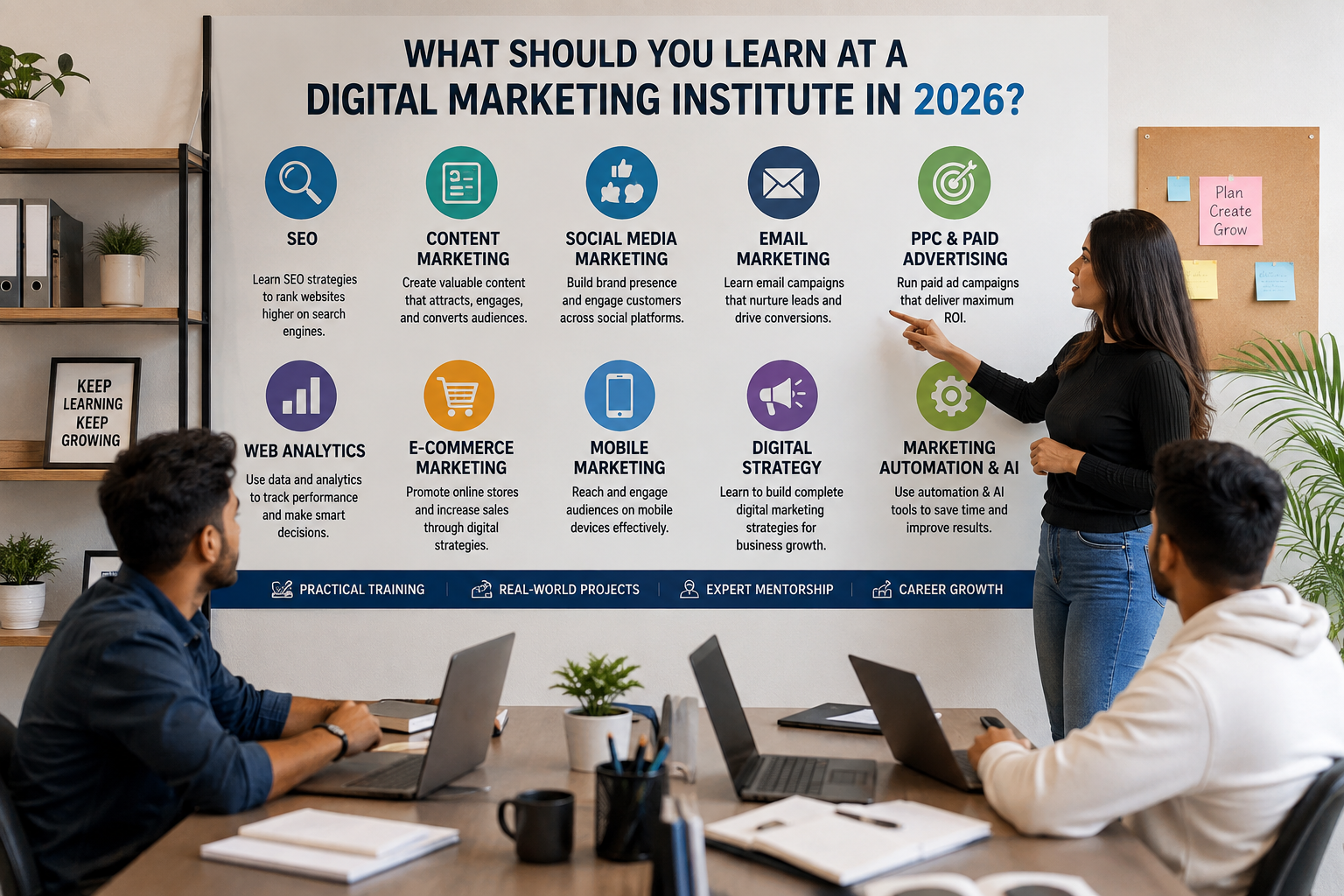
Digital marketing is a fast-evolving field where theoretical knowledge alone isn’t enough to succeed. Employers look for professionals who can plan campaigns, analyse data, and deliver measurable results from day one. This is where a structured learning environment plays a critical role. A well-designed digital marketing institute bridges the gap between classroom learning and real-world execution by focusing on practical exposure, industry tools, and hands-on projects.
Hands-On Training with Live Projects
One of the biggest advantages of enrolling in a professional institute is the opportunity to work on live projects. Instead of just learning concepts like SEO, PPC, or social media marketing in isolation, students actively apply them to real or simulated business scenarios. This could involve optimising a website for search engines, running ad campaigns, or creating social media strategies for actual brands.
This practical exposure helps learners understand what works and what doesn’t. It also builds confidence, as they get familiar with real challenges such as budget constraints, audience targeting, and performance tracking. When you learn through execution, you develop problem-solving skills that are essential in the workplace.
Mastery of Industry Tools and Platforms
Digital marketing relies heavily on tools such as Google Analytics, Google Ads, SEMrush, Ahrefs, and social media dashboards. Institutes ensure that students don’t just hear about these tools—they actively use them.
Through guided sessions and assignments, learners gain hands-on experience in keyword research, campaign setup, competitor analysis, and performance tracking. This familiarity makes a significant difference during job interviews, as candidates who already understand these tools require less training and can contribute immediately.
If you’re looking for hands-on, tool-based training, explore the professional digital marketing courses at JDM Institute that are designed to match real industry requirements.
Real-Time Feedback and Mentorship
Learning independently can often leave gaps in understanding. Institutes provide access to experienced mentors who guide students throughout the learning process. These mentors review assignments, provide constructive feedback, and help students refine their strategies.
For example, if a campaign isn’t delivering results, instructors can explain why and suggest improvements. This iterative learning process mimics real-world work environments, where campaigns are continuously tested and optimised.
Mentorship also helps students stay updated with the latest trends and algorithm changes, which is crucial in a dynamic field like digital marketing.
Portfolio Development for Career Growth
A strong portfolio is often more valuable than a degree in digital marketing. Institutes help students build a professional portfolio by including projects, campaign reports, case studies, and performance metrics.
This portfolio becomes a powerful tool during job applications or freelance pitches. Instead of just claiming skills, learners can demonstrate real results—such as increased website traffic, improved conversion rates, or successful ad campaigns.
Having a well-documented portfolio gives you a competitive edge and showcases your ability to deliver measurable outcomes.
Exposure to Real Business Scenarios
Digital marketing institutes often simulate real business environments where students work on case studies and problem-solving exercises. These scenarios may include launching a new product, improving brand visibility, or recovering from a drop in website traffic.
By tackling such challenges, students learn to think strategically. They understand how different channels—SEO, content marketing, email marketing, and paid ads—work together to achieve business goals.
This holistic approach prepares learners to handle diverse responsibilities in a professional setting.
Soft Skills and Communication Training
Technical skills alone are not enough in digital marketing. Professionals need to communicate ideas clearly, collaborate with teams, and present campaign results to clients or stakeholders.
Institutes often include training on presentation skills, client communication, and report creation. These skills are essential for roles such as digital marketing executive, strategist, or account manager.
By practicing these aspects during the course, students become more confident and professional in their approach.
Internship and Placement Opportunities
Many institutes offer internship programs or placement assistance to help students transition into the workforce. Internships provide real-world exposure where learners work with actual clients, teams, and deadlines.
Placement support, including resume building, interview preparation, and job referrals, further increases the chances of securing a role quickly after course completion.
If you want to kickstart your career with expert guidance, you can visit JDM Institute’s official website to explore programs and career opportunities.
If you have specific queries or want personalised course recommendations, reach out via the Contact Us page for direct assistance.
Continuous Learning and Industry Updates
Digital marketing trends change rapidly due to updates in search engine algorithms, social media platforms, and consumer behaviour. Institutes keep their curriculum updated to reflect these changes.
Students are trained on the latest strategies, ensuring they stay relevant in the job market. This continuous learning mindset is crucial for long-term career growth.
Networking Opportunities
Joining an institute also means becoming part of a learning community. Students interact with peers, alumni, and industry professionals, creating valuable networking opportunities.
These connections can lead to collaborations, job referrals, or freelance projects. Networking often plays a significant role in career growth, especially in a competitive field like digital marketing.
Conclusion
Digital marketing institutes play a vital role in transforming beginners into industry-ready professionals. By combining practical training, tool mastery, mentorship, and real-world exposure, they equip learners with the skills needed to succeed.
Instead of relying solely on theory, students gain hands-on experience, build a strong portfolio, and develop the confidence to tackle real challenges. Whether you’re starting your career or looking to upskill, choosing the right institute can significantly impact your professional journey.